Exterior Surfaces Stripped Clean of Buildup
Pressure Washing in Birmingham for siding, driveways, and walkways stained with mold, mildew, and surface grime
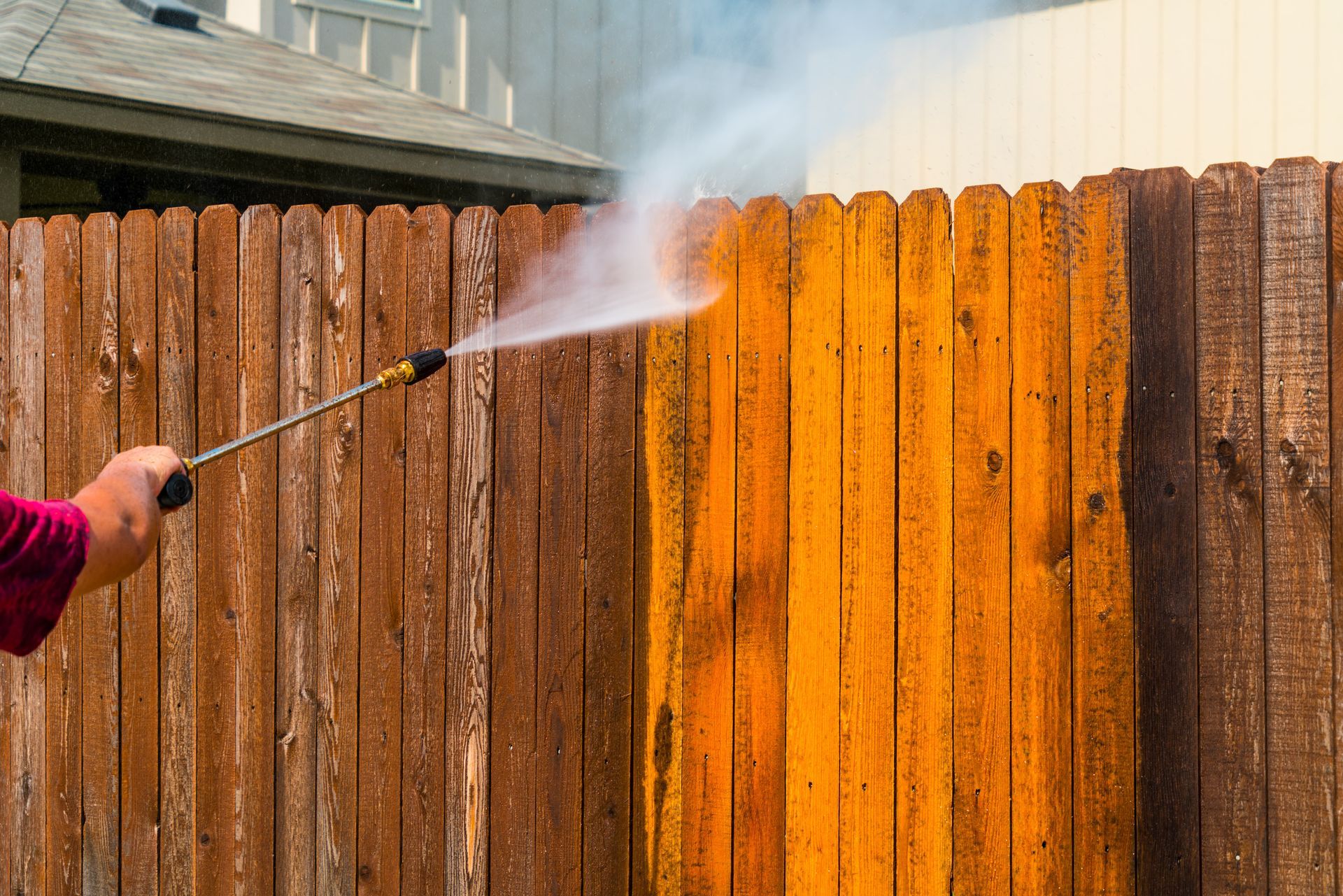
Birmingham's humidity creates ideal conditions for algae and mildew growth on north-facing siding, shaded concrete, and any surface that stays damp after rain. Elite Handyman Services provides pressure washing for siding, driveways, sidewalks, patios, decks, fences, and other exterior surfaces where dirt, mold, mildew, algae, and stains accumulate over time. When black streaks run down vinyl siding, when concrete walkways turn green in shaded areas, or when deck boards feel slippery from organic growth, pressure washing removes the biological films and embedded dirt that regular hosing cannot eliminate.
Pressure washing uses controlled water pressure adjusted for each surface type—higher pressure strips years of grime from concrete and brick, while lower pressure with specialized nozzles safely cleans vinyl siding and painted wood without forcing water behind exterior cladding or damaging surface finishes. The process includes applying cleaning solutions that break down organic growth before rinsing, working from top to bottom so dirty runoff doesn't streak across cleaned areas.
Request exterior cleaning services to remove buildup before it permanently stains surfaces or requires repainting.
Why Surface Material Determines Pressure Settings
Different materials tolerate different water pressures—concrete and asphalt handle 3000 PSI without damage and need that force to dislodge oil stains and tire marks, while wood decks and vinyl siding require 1200–1500 PSI to avoid splintering wood fibers or cracking siding panels. The nozzle angle also matters: narrow zero-degree streams cut like blades and are used only for spot removal, while wide 40-degree fans distribute pressure across larger areas for general cleaning.
After pressure washing, you'll see that siding returns to its original color without the gray or green cast that develops as mildew colonizes textured surfaces, concrete driveways show their true aggregate color instead of appearing uniformly dark from embedded dirt, and wooden deck boards regain their natural grain pattern once the weathered gray surface layer is stripped away. Fences and patios no longer support the slick biofilm that makes surfaces hazardous when wet, and the property's curb appeal improves noticeably as clean surfaces reflect light rather than appearing dull and neglected.
Pressure washing prepares surfaces for painting or staining by removing contaminants that prevent proper adhesion, clears gutters and downspouts of exterior grime that washes into drainage systems, and extends the time between required exterior maintenance by removing the organic matter that accelerates material degradation. The service does not repair existing damage such as cracked concrete, rotted wood, or failed paint, though cleaning reveals the true condition of surfaces that may have appeared merely dirty when underlying deterioration was actually present.
Answers to Frequent Exterior Cleaning Questions
Homeowners often schedule pressure washing when they prepare to sell property or when staining becomes visible enough to affect appearance, and these questions cover typical concerns about cleaning exterior surfaces safely and effectively.
What removes black streaks from vinyl siding?
Black streaks are typically algae colonies that grow where moisture lingers on textured siding surfaces, and removing them requires low-pressure washing combined with detergents formulated to kill the algae and break down the dark pigments it produces, followed by thorough rinsing to prevent residue.
How does pressure washing differ from regular hosing?
Standard garden hoses deliver water at 40–60 PSI, which rinses loose surface dust but lacks the force to dislodge embedded dirt, biological growth rooted in porous materials, or stains bonded to concrete and masonry, while pressure washers deliver 1200–3000 PSI depending on the application and surface tolerance.
Why does Birmingham's climate accelerate exterior staining?
High humidity and frequent summer rain create constant moisture that supports mold and algae growth, while shade from mature trees prevents sunlight from drying surfaces quickly, giving biological organisms extended time to colonize north-facing walls, covered patios, and any area where airflow is limited.
What should driveways look like after pressure washing?
Clean driveways display the natural color of the concrete or asphalt binder and aggregate stones rather than appearing uniformly dark gray, oil stains lighten significantly or disappear depending on how deeply they penetrated, and tire marks from years of parking in the same location are removed down to the original surface texture.
When should surfaces be pressure washed before painting?
Surfaces should be cleaned at least 48 hours before painting to allow complete drying, as trapped moisture beneath fresh paint causes adhesion failure and blistering, and any remaining cleaning solution residue must be rinsed thoroughly since it interferes with paint bonding to the substrate.
Elite Handyman Services removes mold, mildew, algae, and surface stains from exterior materials across Birmingham using appropriate pressure settings for each surface type. Set up a pressure washing appointment to restore your property's exterior appearance before buildup causes permanent discoloration.