
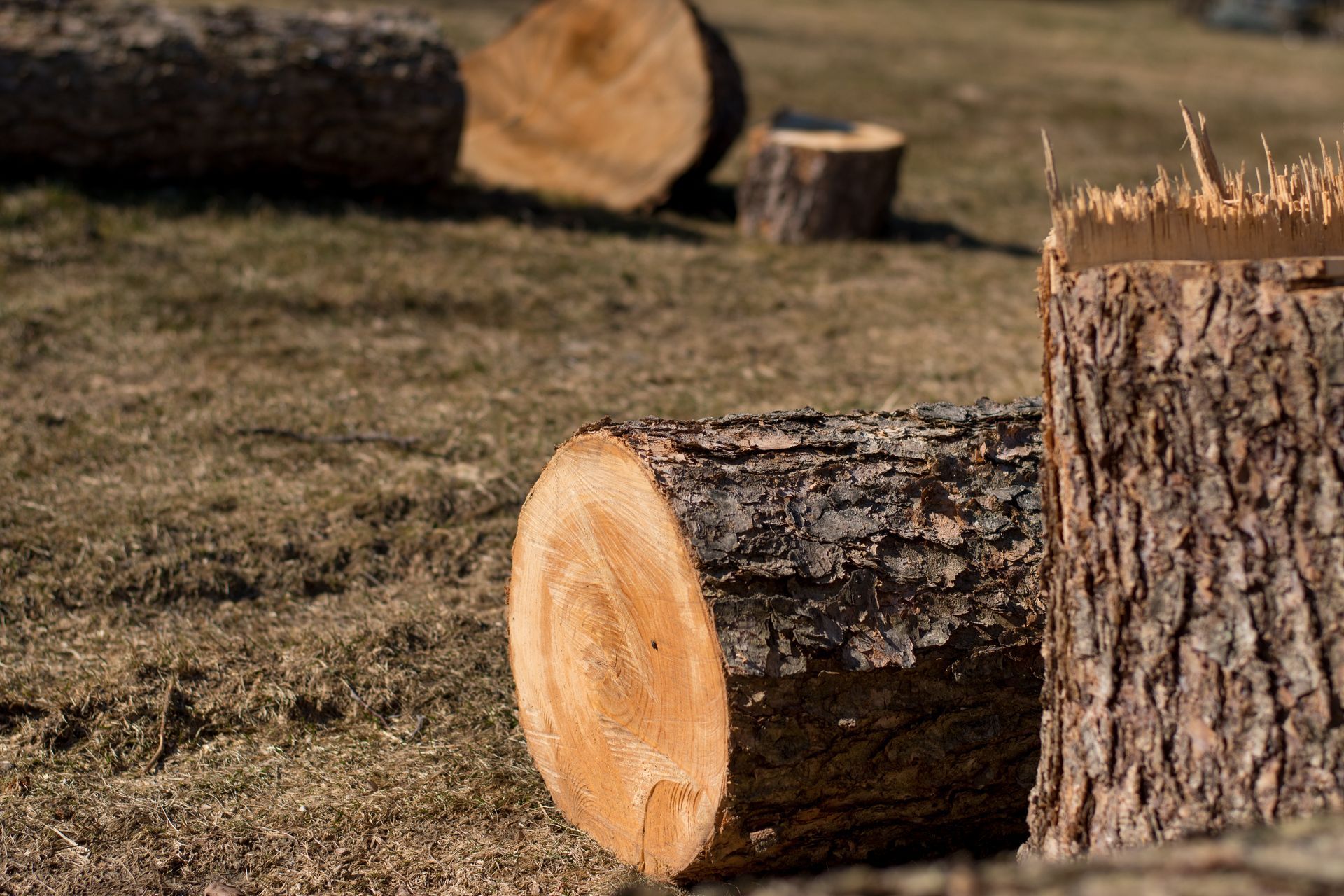
Clearing Hazardous and Unwanted Trees Safely
Tree Removal in Birmingham for dead, damaged, or dangerous trees threatening structures and landscaping
Safe tree removal requires planning each cut to control how sections fall, rigging techniques to lower heavy limbs without damaging nearby structures, and equipment positioned to avoid underground utilities, hardscaping, and plantings that need to remain intact. Elite Handyman Services handles removal of hazardous trees, dead or dying specimens, storm-damaged trees with structural failure, and healthy trees that have outgrown their location or threaten foundations and rooflines. The process includes assessing lean direction, identifying weak unions or decay, and determining whether the tree can be felled in one piece or must be dismantled in sections from the top down.
Tree removal addresses safety risks from falling limbs, root systems that damage foundations or sewer lines, and trees positioned too close to structures where failure during storms could cause significant property damage. Projects also improve curb appeal by eliminating unsightly dead trees or clearing space for new landscaping.
Request a professional tree evaluation to assess removal needs and receive a project estimate.
What Happens During Safe Tree Removal
Removal begins with clearing the drop zone, setting up rigging if the tree must be sectioned, and making calculated cuts that guide each piece to the ground without swinging into structures or landing on sensitive areas. Stumps are typically cut flush with the ground unless grinding is requested, and all branches, trunk sections, and debris are hauled away after the tree is down.
After removal, you see the hazard eliminated, open space where the tree once stood, surrounding structures and landscaping left intact, and yard areas cleared of all limbs and debris. The ground remains level and ready for grass seed, new plantings, or other landscape improvements, and nearby trees or shrubs show no damage from limbs or equipment.
The service includes complete debris hauling and brush removal, but stump grinding is handled separately and quoted based on stump diameter and root complexity. For trees located in difficult-to-access areas, additional planning may be required to protect turf and avoid damage during equipment movement.
Answers to Frequent Service Questions
Tree removal involves safety planning and site-specific considerations that affect how the work is completed.
What makes a tree hazardous enough to remove?
Hazardous conditions include significant lean toward structures, large dead limbs overhead, visible trunk decay or cavities, root damage that compromises stability, or structural failure such as split trunks or broken tops after storms.
How is debris handled after removal?
All cut sections, branches, and brush are loaded and hauled away as part of the service, leaving the yard clear except for the stump, which can be ground separately if requested.
What equipment is used for tree removal?
Removal typically involves chainsaws for cutting, ropes and rigging for controlling descent, and sometimes bucket trucks or cranes for tall trees near structures, with equipment selection based on tree size, location, and proximity to obstacles.
How long does tree removal take?
Small to medium trees in open areas may be removed in a few hours, while large trees requiring sectional dismantling or rigging near structures can take a full day or more depending on complexity and safety requirements.
Why do removal costs vary?
Pricing depends on tree height, trunk diameter, proximity to structures or utilities, access for equipment, whether the tree is dead or alive, and the complexity of rigging needed to protect surrounding property during removal.
Elite Handyman Services removes trees with careful planning to protect your property while eliminating hazards. Schedule an evaluation to discuss removal options and project details.